May 24th - May 31st, 2026 (SUB 12 100 AT 52)
MAY 24TH, 2026 Mobility & Stretching: 15 minutes Achilles Rehab and Strength: Isometric calf hold – 60s Isometric single leg calf holds - 30s on each leg Eccentric Calf rais...
READ MORETrue North Athletics is an independent reference site dedicated to sprint training — not hype, not shortcuts, and not influencer noise. It exists to document how sprinting actually works: the mechanics, the systems, the tradeoffs, and the long timelines required to build speed safely and sustainably.
This resource is written for serious recreational sprinters, masters athletes, and coaches who want clarity instead of gimmicks. Whether you train indoors, around injuries, or later in life, the goal is the same: protect speed, respect recovery, and make decisions that hold up over years — not weeks.
Articles, training frameworks, exercise libraries, and tools — all written as a living sprint manual.
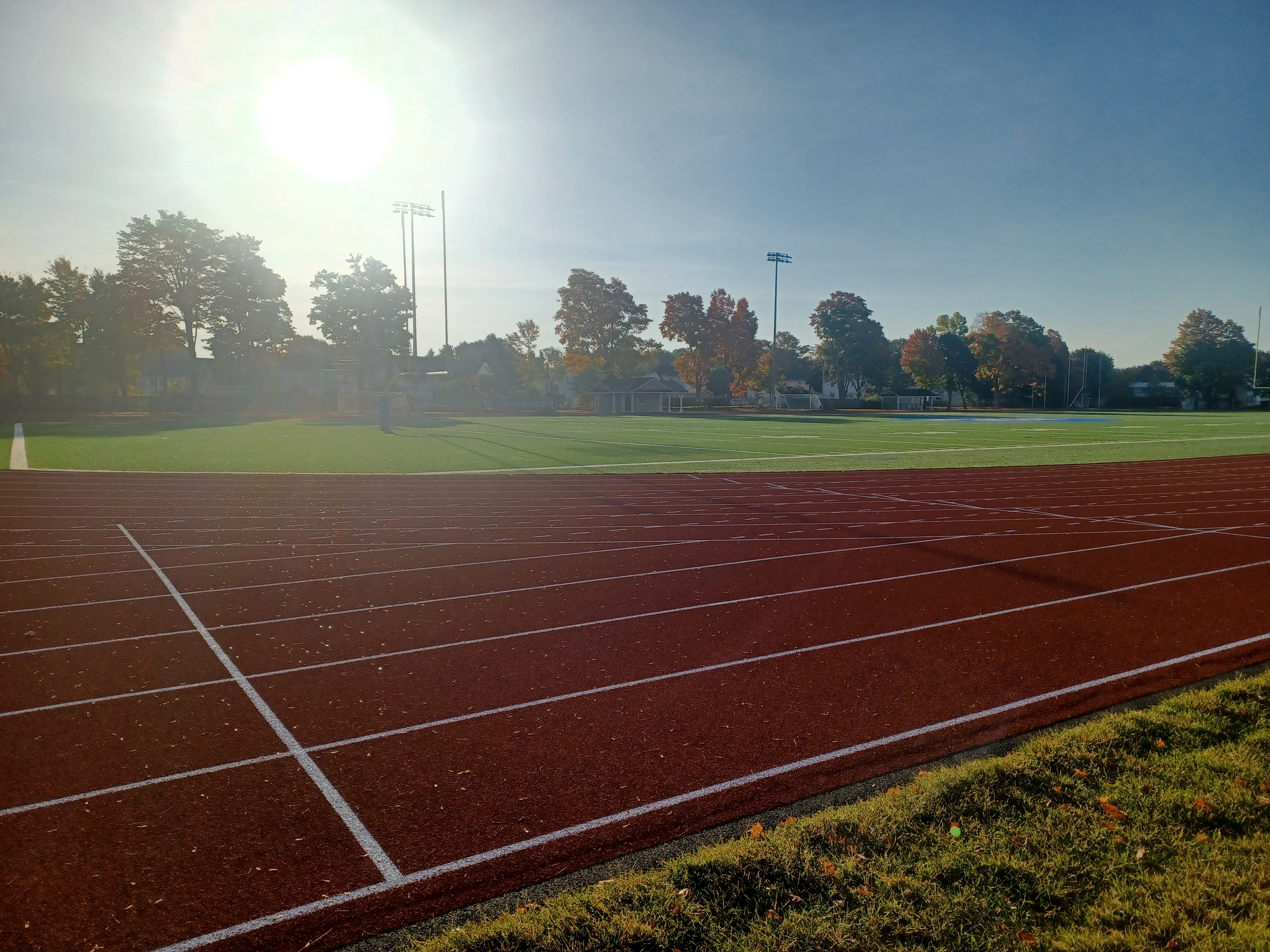
No 2 Construction Battalion Facility
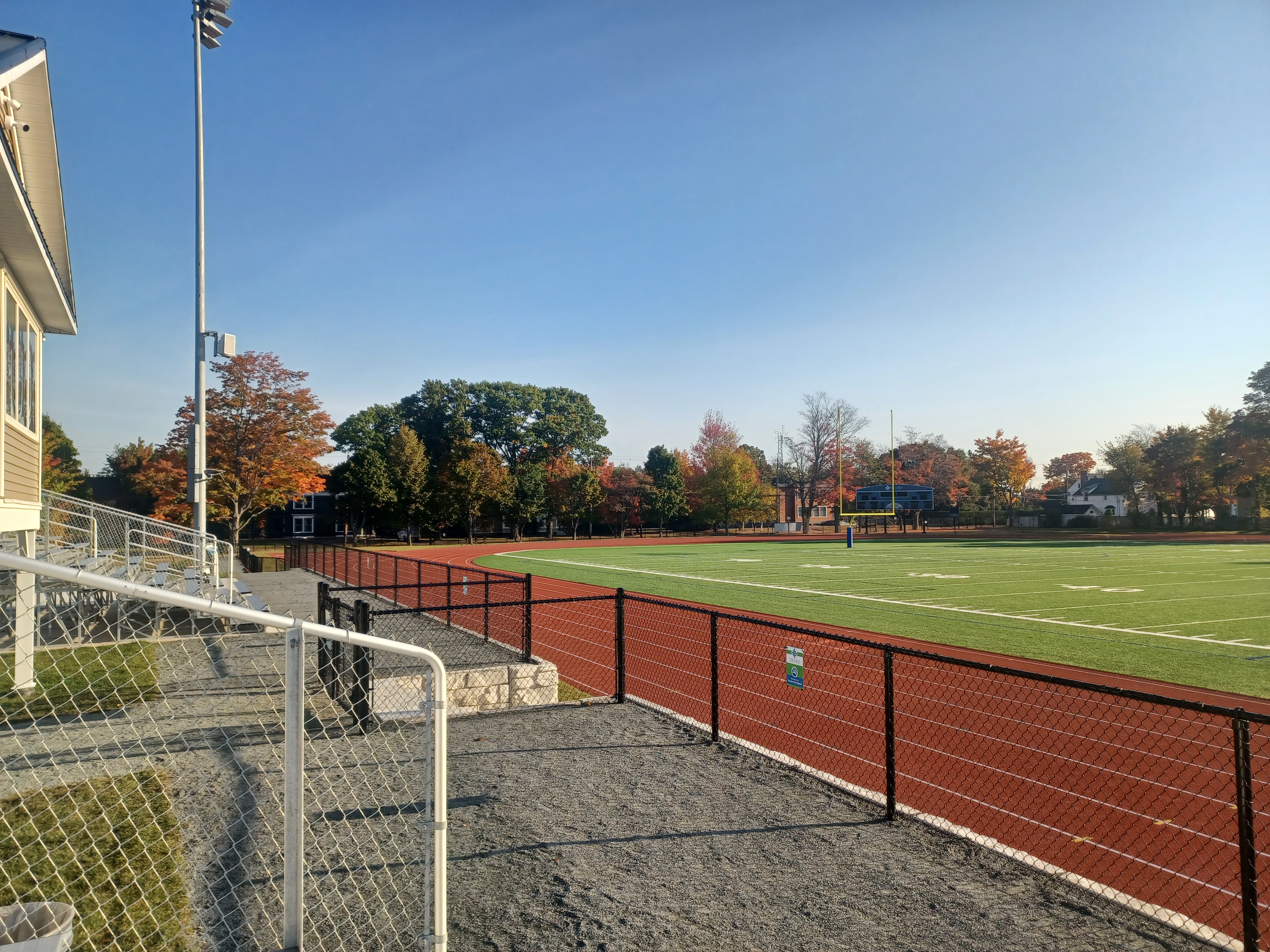
True North Athletics is built on decades of lived experience in track and field — as a competitor, a student of the sport, and a masters sprinter still chasing speed. The perspective here is shaped by real competition, real setbacks, and the slow accumulation of lessons that only time provides.
A defining moment came at the Dartmouth Relays, lining up in a heat with Bruny Surin. On the drive home, reading a Charlie Francis manual purchased at the meet, training priorities changed immediately — away from fragmented methods and toward a system grounded in rhythm, recovery, and long-term development.
This site is for athletes and coaches who want to understand sprinting deeply: how acceleration, max velocity, tempo, lifting, and recovery fit together — and what must be protected if speed is going to last. No hype. No shortcuts. Just honest work that respects the nervous system and the calendar.
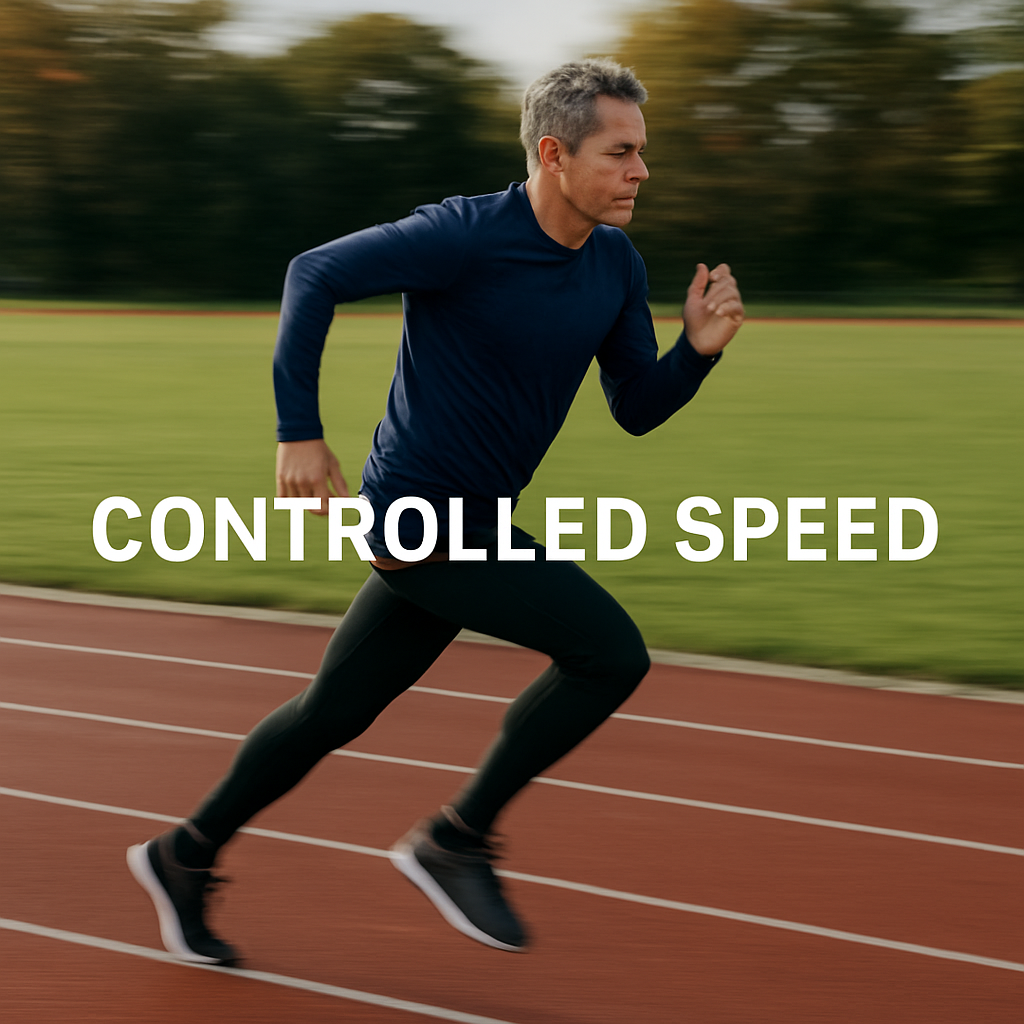
Rather than selling prepackaged workouts, this site breaks down core sprint training concepts — what they are, why they exist, when to use them, and when not to. Below is an example of how major elements are explained in context.
Extensive tempo runs form the aerobic base of sprinting — smooth, rhythmic efforts at 60–70% of max speed. To calculate target times, multiply your goal 100 m time for the season by 1.4 (≈60%) or 1.3 (≈70%). Tempo develops general endurance, reinforces efficient mechanics, and accelerates recovery between high-intensity sprint sessions.
Tempo is not “slow sprinting” and it is not jogging. Each repetition should feel controlled, elastic, and repeatable — upright posture, consistent rhythm, relaxed arms, and calm breathing. The objective is rhythm and efficiency, never fatigue or strain.
A key technical distinction during tempo work is foot contact strategy. Unlike maximal sprinting, tempo runs should be executed with a heel-to-toe landing, followed by a midfoot-driven take-off. This promotes longer ground contact, reduced vertical force, and significantly lower stress on the Achilles tendon and plantar structures.
This approach was consistently emphasized within the Charlie Francis system. When clarified directly by senior CF coaches, tempo was described as deliberately using a heel-first contact pattern — not as a flaw, but as a protective and economical feature of submaximal running.
When executed correctly, this foot strike pattern allows athletes — including those managing Achilles sensitivities — to build volume rapidly without irritation. Progressions from 8 × 100 m with 60 s rest to 10 × 100 m with 30 s rest can occur safely within weeks, provided rhythm and relaxation are preserved.
At peak aerobic tempo fitness, it was not uncommon for elite sprint groups to complete 2 × 10 × 100 m with approximately 10 minutes between sets. Light calisthenics — commonly push-ups and abdominal work — were sometimes inserted between repetitions or sets without compromising the intent of the session.
Over three weeks, the following progression gradually increases volume while shortening rest, preparing the athlete for the classic Charlie Francis 10 × 100 m / 30 s tempo benchmark.
Rest or regeneration days are inserted between sessions to preserve movement quality. Volumes should be adjusted downward if rhythm, posture, or relaxation degrade.
Explore articles, systems, and tools designed to help you make better training decisions — whether you coach yourself or others.
MAY 24TH, 2026 Mobility & Stretching: 15 minutes Achilles Rehab and Strength: Isometric calf hold – 60s Isometric single leg calf holds - 30s on each leg Eccentric Calf rais...
READ MOREMAY 12TH, 2026 Mobility & Stretching: 15 minutes Tempo & Strength Endurance: 20 jab (left arm) into right knee lift, 20 hook (right arm) into right knee lift and kick 20 jab (right arm) into le...
READ MOREMAY 3RD, 2026 Mobility & Stretching: 15 minutes Tempo & Strength Endurance: 20 jab (left arm) into right knee lift, 20 hook (right arm) into right knee lift and kick 20 jab (right arm) into lef...
READ MORE